Showing posts with label Juniper Publishers Indexing list. Show all posts

Wednesday, 4 August 2021

Juniper Publishers- JOJ Ophthalmology

Hemi-Central Retinal Vein Occlusion Secondary to the Habit of Forceful Sneeze Prevention-Juniper Publishers

Introduction

31 year-old man applied to the eye clinic with a complaint of silhouette in the lower paracentral visual field on his left eye. His central visual acuity was 10/10 both on his eyes. Fundus examination revealed hemi-central vein occlusion sparing the macula. A few days later widespread intra-retinal hemorhages fell into macula and visual acuity reduced dramatically. Detailed story of the patient pointed out that he had a lomber disc herniation 3 months ago at L3-L4 levels. Detailed history also showed that the patient had hypertrophic adenoids and hypertrophic nasal conc has which are under treatment by nasal decongestants. The patient did not have a heavy conditional work. But it had been speculated that powerful prevention and keeping the sneeze resulted both the herniation and hemi-central vein occlusion. Vein occlusions are common among olders but systemic disorders must be ruled out in youngers. We intended to share acute intra-ocular pressure increase as an uncommon cause for vein occlusion in this dramatic young man because systemic disease research came clean. Lomber herniation usually occurs secondary to forcing the inter-vertebral discs to high pressures that they can endure. So they can rupture and cause disc herniation. Performing valsalva maneuver by coughing, sneezing or sneeze prevention may increase pressure inside the medulla spinalis so it can result as disc herniation. This maneuver not only affects on the intervertebral discs, but also on all intra- and extra-dural structures and nerves [1]. So optic nerve head may be affected as an intra-dural component.

Hemi-central retinal vein occlusions which are classified in central retinal vein occlusion may result from hypertension, diabetes, atherosclerosis, hyper coagulable states and hypercholesterolemia. Younger patients with hemi-central retinal vein occlusion must be ruled out from diseases mentioned above. Valsalva manoeuver is the forced exhalation against a closed glottis. First described by an Italian anatomist in 17th century Antonio Maria Valsalva, it is now a well known entity amongst medical practitioners. It leads to increased intra- thoracic and intra-abdominal pressure and raised central venous pressure. It is an uncommon condition and has been reported to occur with various forms of Valsalva stress such as weight lifting, physical exercise, balloon blowing, birth labour [2]. Sneezing prevention may be accepted as a rare cause of valsalva stress. Preretinal haemorrhage caused by this sudden rise in venous pressure was first termed as Valsalva haemorrhagic retinopathy by Duane TD in 1972 [3]. Valsalva retinopathy is typically seen in young males. Sometimes it may make a fluid level which's location can be subinternal limiting membrane (ILM) or subhyaloid. Duane [3] first postulated the mechanisms for retinopathies due to distal trauma as alteration in arterial circulation (forward retinopathy), venous circulation (backward retinopathy) or to changes occurring in both systems (mixed retinopathy). Valsalva retinopathy may look like vein occlusions in appearance as spreaded intraretinal haemorrhages but transformation of valsalva retinopathy to vein occlusion related macular edema is a rare antity. Here i report a case about valsalva retinopathy which transformed to complete hemi-central vein occlusion in a week.

Case Presentation

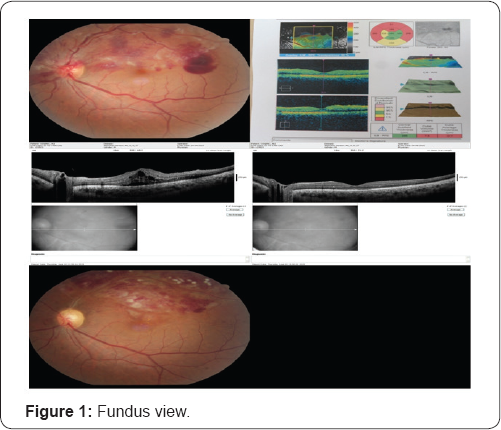
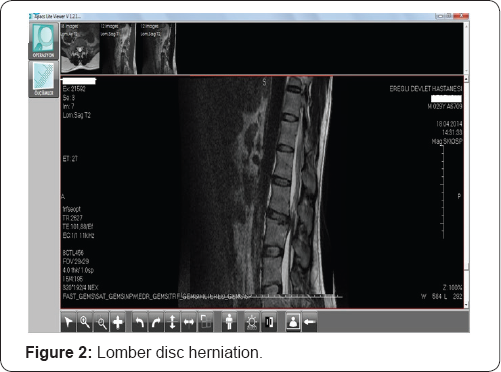
A 31 year-old healthy man complained about a blurry silhouette in the lower para-central visual field in his left eye after a powerfull sneeze prevention. Ophthalmic examination revealed bilateral 10/10 visual acuities and normal ocular tensions. Detailed examination showed a hemi-central vein occlusion sparing macula in the left fundus. There were widespread intra-retinal haemorrhages diffused in the upper hemi- central retina and a pre-retinal and subhyaloid haemorrhage just near the temporal macula. The fundus view is seen in Figure 1. Questioning about heavy work conditions for probable valsalva maneuver indicated a sneeze prevention habit. He had a lomber disc herniation at the L3-L4 levels 3 months ago and hypertrophic adenoids and nasal conchas which were still being treated by nasal decongestants. Lomber disc herniation is seen in Figure 2. Sneeze prevention habit was accused for lomber disc herniation by neuro-surgeon. After a week of rest recommendation and conservative management for valsalva retinopathy, the haemorrhages came to the bottom of macula and clinical macular edema settled upon as his visual acuity decreased to 3/10. Intravitreal bevacizumab injection was performed in other eye center at second week and he had full visual recovery again in two weeks time after the injection.

There were no retinal holes, tears, detachment, perivascular sheathing or snow banking at parsplana. Vein occlusions were not common among youngers so investigations including complete blood counts, clotting parameters such as antithrombin, protein c, protein s, d-dimer, factor 5, biochemical parameters such as urea, creatinine and glucose, crp, sedimentation were normal. Systemic evaluation was carried out by the physician and no abnormality was detected. We diagnosed him as hemi-central vein occlusion secondary to valsalva retinopathy. Systemic clotting abnormalities must be ruled out in hemi-central retinal vein occlusion among youngers. Disc herniation without predisposing factor and vein occlusion after sneeze prevention steered us to think about valsalva retinopathy. Intravitreal bevacizumab injection was performed and laser photocoagulation was performed for the macular edema secondary to hemi-central retinal vein occlusion. Because of the valsalva retinopathy was not limited to the pre-retinal and sub-hyaloid area, a week later the haemorrhages were spreaded widely to the macula and macular edema was settled. The visual acuity of the patient decreased to 3/10 snellen on the left and conservative treatment modality for the valsalva haemorrhagic retinopathy was replaced by the treatment of macular edema secondary to hemi-central retinal vein occlusion.

Results

The visual acuity of the patient is 10/10 on both eyes with complete resolution of macular edema for 2 months. Ghost vessels are seen on fundus examination and retinal haemorrhages are just about to resolve. These are seen in Figure 1. Bed rest and avoiding from valsalva maneuvers were adviced for lumbar disc herniation.

Discussion

Valsalva retinopathy is a unilateral or bilateral condition which occurs by rupture of superficial retinal capillaries. Heavy lifting, straining, coughing or vomiting may cause it. Valsalva maneuvers typically result in superficial retinal haemorrhages(sub-internal limiting membrane, subhyaloid) with a predilection for the macula, but subretinal, retinal and vitreous haemorrhages have been reported. The prognosis is variable, however complete visual recovery is possible [4] Some patients may develop a poor visual outcome due to the presumed toxic effects of dense premacular haemorrhages on the retinal pigment epithelium and/or epiretinal membrane formation. Nd-YAG laser puncture of the posterior aspect of the vitreous may allow drainage of premacular haemorrhage or vitrectomy may be performed in selected cases [4]. It may also managed conservatively with good outcomes. It may Valsalva retinopathy is a self-limited condition. Recurrence of valsalva retinopathy can be encountered if preventing any condition leading to valsalva like stress is not succeeded [2]. Our patient did not know about the harmful effects of sneeze prevention. A careful history is the key to the diagnosis. The prognosis is good and patient needs to be counselled to avoid any such Valsalva manoeuver like stress to prevent recurrence in future. Habits which are against the physiology such as sneeze prevention may be harmful. Patients should be careful in every physical activities which may induce valsalva maneuver. Valsalva retinopathy may be seen as central or hemi-central retinal vein occlusion.

For more Open Access Journals in Juniper Publishers please click on: https://juniperpublishers.com

For more articles in Journal of Physical Fitness, Medicine & Treatment in Sports

please click on: https://juniperpublishers.com/jpfmts/index.php

For more about juniper publishers  please click on: https://www.juniperpublishersgroup.com/

Thursday, 23 January 2020

Prospects of Treating Ocular Hypertension and Glaucoma with Peptidic and Non-Peptide Kinin Mimetic Drugs- Juniper Publishers


Juniper Publishers- JOJ Ophthalmology


Abstract

The endogenously generated small nonapeptide bradykinin (BK) is often associated with inflammation, edema and pain amongst many other functions and pathologies. However, the latter aspects pertain to locally produced BK from circulating plasma precursor polypeptide kinninogen (KNGN). Recent work in ocular tissues and cells have a revealed a novel local synthesis of BK and other kinins from tissue-derived KNGN via action of kallikrien enzymes, quite independent from the blood-derived polypeptide. Furthermore, the whole kininergic system machinery including local KNGN, kallikrein enzymes to generate kinins from KNGN, two sub-types of kinin receptors (Bj-and B2-receptors), and the complete signal transduction pathways coupled to these receptors have been mapped out. Additional work has highlighted a number of downstream signaling and other biological responses that ensue following activation of Ba- and B2 receptors in human ocular cells and tissues. One key aspect to be discussed in detail in this review is the novel finding that BK, peptidergic BK analogs, and especially non-peptide mimetics of kinins (e.g. FR-199097; BKA78), profoundly lower and control intraocular pressure in a number of species, including ocular hypertensive (OHT) monkeys. These novel observations strongly suggest that kinin agonists represent a novel class of ocular hypotensive agents that could be of immense value in treating OHT associated with primary open-angle glaucoma (POAG) and perhaps other forms of glaucoma.


Ocular Hypertension Associated with Glaucoma

At a simplistic level, our knowledge has advanced to a point where it is now clear that elevated intraocular pressure (IOP) results from a fundamental imbalance between the generation of aqueous humor by the ciliary body and its efflux from the anterior chamber of the eye via one of two pathways [1-3]. The most physiologically relevant mechanism of AQH drainage involves the IOP-dependent outflow via the trabecular mesh work (TM) and Schlemm's canal (SC) route [1-3]. The lesser utilized pathways under normal conditions are the uveoscleral [1-3] and ocular lymphatic [4] pathways, but the latter can be engaged by certain drugs such as FP-class prostaglandin analogs (FPGAs) like latanoprost and tafluprost [1-6]. The chronically increased IOP, a condition generally termed as ocular hypertension (OHT), caused by blockage of the AQH drainage TM/SC pathways [7] during the aging process or due to ocular inflammation and deposition of various debris, along with apoptotic death of retinal ganglion cells. can lead to a clinically defined disease called glaucoma [8-10]. This high IOP distressfully distends and traumatizes the whole Whilst, glaucoma is painless and otherwise asymptomatic globe and initiates the death of RGCs and/or breakage of RGC axons at the back of the eye. These elements then cause a retrograde demise of the RGCs leading to severing of nerve fibers connecting the retina to the brain [11-13]. Many deleterious neurotoxic elements (e.g. high levels of extruded glutamate, endothelin, inflammatory cyto-and chemo-kines, noxious gases (e.g. nitric oxide; hydrogen sulfide)) and proteolytic enzymes (e.g. caspases and matrix metalloproteinases) released by activated macrophages [12-19], injured RGCs and interneurons are the culprits responsible for such neurotoxicity/chemically-induced axotomy of the RGCs. Hypoxia and ischemia [20,21] are also involved in the initiation phase of vascular dysfunction-induced death of RGCs since the thinning of the optic nerve at the level of the optic nerve head (ONH) forces the retinal blood vessels attached to the optic nerve to bend thereby restricting blood supply to the retina. While this progressive loss of RGCs occurs over several decades, if OHT is not treated to reduce the IOP the resulting glaucomatous optic neuropathy causes severe visual impairment, reduction of visual acuity and visual field and eventually results in irreversible blindness. Although many forms of glaucoma exist (e.g. open-angle glaucoma; closed-angle glaucoma; exfoliation glaucoma; myopic glaucoma) [8,9,22-26], the most prevalent is primary open-angle glaucoma (POAG) [26-28]. Behind cataracts, POAG is the second leading cause of blindness afflicting several millions of patients. It is estimated that by 2020, the global glaucoma-related blindness will reach ~80 million [26-28]. Elevated IOP and advancing age are the two major risk factors associated with POAG even though genetic factors [26] and race (especially African and Asian heritage) [29], myopia, diabetes and oxidative stress [30-36] and various vascular irregularities and dysfunctions [20,22], and intracranial cerebrospinal pressure [37,38] have been also linked to the development of POAG. The seriousness of POAG is often underestimated since it causes no overt discomfort or pain to the patient and insidiously progresses unnoticed over time. Considerable damage to the retina [33-36] and optic nerve and optic nerve head (ONH) [14,29,39-41] continues unyieldingly leading to scotomatous damage that manifests as loss of peripheral vision followed by a "tunnel vision" syndrome, thereby finally signaling the demise of ~40% of the original million RGCsof the patient and equivalent loss of connections to the brain and visual cortex [8,9,42-45]. Those lost or dying RGCs cannot be resuscitated and their axonal connections revived [46-48], and if left untreated the glaucomatous optic neuropathy due to OHT and oxidative /neurotoxic elements would claim the remaining RGCs causing total blindness [49-53].
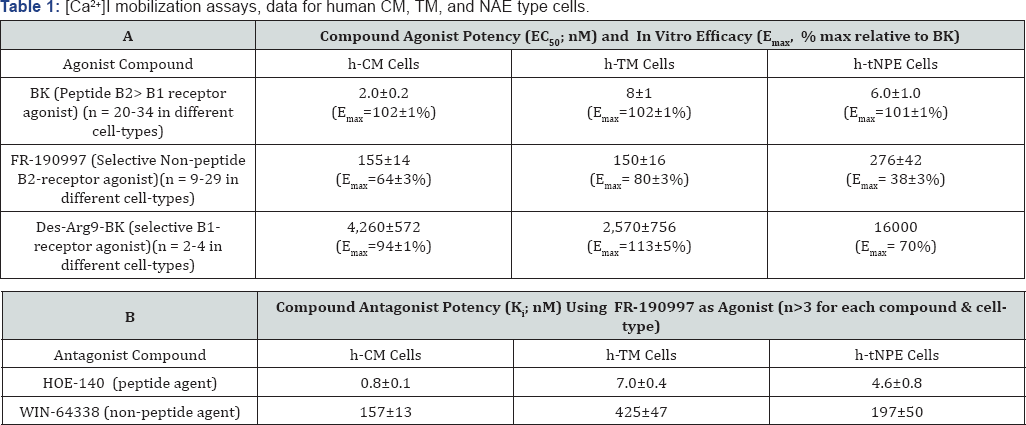
Data are mean±SEM uses a [Ca2+]I mobilization assay in cells derived from several different human donors' eyes. h-tNPE cells are SV40-virus- immortalized human non-pigmented ciliary epithelial cells derived from human ciliary epithelium that respond just like normal primary NPE cells. [145,146,157]
A number of treatment options have been developed to deal with POAG-associated OHT including ocular hypotensive medications [1-3,54-56], laser therapy and surgical interventions [57-64]. Unfortunately, as is the case with most drugs and surgical procedures, these treatment modalities have numerous side-effects (e.g. Burning and stinging, foreign- body sensation, brow-ache, ocular surface dryness, pulmonary hypertension and bradycardia, etc.), and adverse complications associated with them [1-3,54,55]. Additionally, poor compliance [65] and adherence to prescribed topical ocularly administrated medications by the OHT POAG patients (due to forget fulness, poor dexterity,lack of symptomatic pain or other cues due to OHT, poor understanding of the treatment regimen, and perhaps due distrust, etc.) contributes to the progression of the disease process. Similarly, laser therapies, although effective at the beginning, lose their efficacy over time [57-62]. Reports have surfaced that indicate that POAG/ OHT is only controlled in ~50% of patients who received laser treatment, and indeed due to scarring,the procedure often needs repeating within one-five years [57-64]. Indeed, such lasering and filtration procedures also have certain risks of complications and adverse events associated with them. Thus, there remains a continued unmet medical need to discover new and improved eye drop- medications and other novel surgical techniques to help the OHT/POAG patients mitigate and treat their underlying glaucomatous optic neuropathy caused by elevated IOP. To this end, a better understanding of the many complex pathways involved in AQH dynamics [4,7-10] has culminated in the discovery and development of many novel targets and ligands [13,54,55] that can modulate IOP via these targets to accomplish a level of homeostasis of AQH production and drainage. In order to address poor patient compliance, a number of innovations leading to sustained drug-release devices (e.g. implants, punctal plugs or contact lenses) [60-64,66-70] have been developed such that the patient need not remember to self-administer the medication. Likewise, a revolutionary set of novel surgical interventions [57-64] with much reduced surgical time and effort required and minimal adverse events and complications are becoming available [57-64]. These include the following: non-penetrating glaucoma surgery (NPGS), non-invasive glaucoma procedure, minimally invasive micro sclerostomy, blebless ab externo glaucoma surgery, ab externo bleb surgery, and the elegant minimally-invasive glaucoma surgery (MIGS) [60-64] that involve insertions of tiny drainage devices into the anterior chamber of the eye that appear to be highly effective in decreasing IOP [62-64]. Time will tell if indeed these innovations become mainstay treatment options for POAG/OHT patients in the near future. Regardless, however, the ordinary patient who is unable to afford the latter surgical procedures and devices, and those patients who are refractory to or cannot tolerate existing medications, will still require new topically administered drugs to lower and control the IOP in order to preserve their vision.

Present Day Pharmacotherapy for OHT

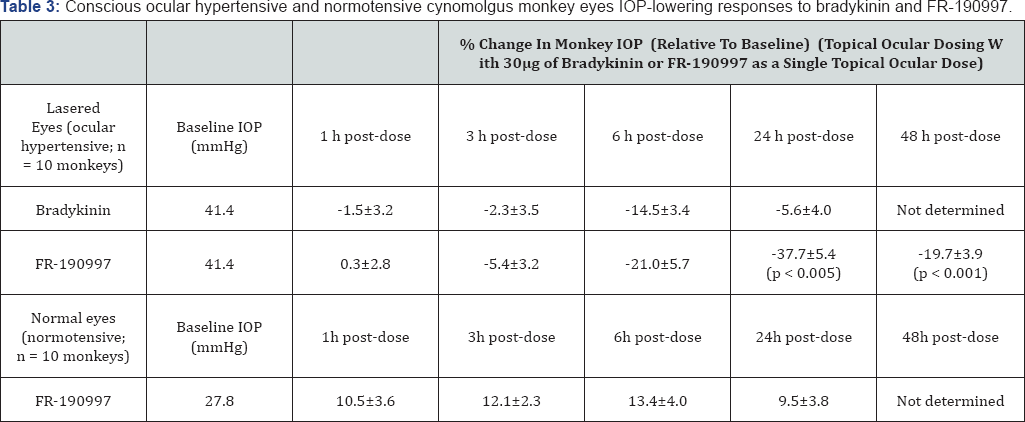
One of the earliest pharmacological agents to be used to lower elevated eye pressure is a muscarinic receptor agonist, pilocarpine [1-3]. It just happened that it promoted egress of AQH through the TM, hence pilocarpine became the first known conventional outflow promoter. Since it strongly constricted the pupil, made accommodation difficult and painful due to brow- ache, and needed to be administered up to 4-times a day, newer drugs with higher efficacy and lesser side-effects were sought and discovered over the next few decades. These included carbonic anhydrase inhibitors such as dorzolamide and brinzolamide, beta-adrenergic antagonists (e.g. timolol; betaxolol) and alpha- adrenoceptor agonists such as brimonidine and para-amino- clonidine [1-3,54,55]. Whilst these drugs lowered IOP well, they required at least twice daily dosing and they primarily inhibited the production of AQH by the ciliary processes of the ciliary body. Eventhough compliance increased and a greater efficacy was achieved, these agents had their own short-comings in terms of side-effects including ocular surface irritation (hyperemia), burning and stinging,allergy and drowsiness (a-agonists), and some pulmonary and cardiac insufficiency (with p-blockers) [13,55] Furthermore, we have learnt that AQH constituents serve important nutritional needs of the tissues inside the anterior chamber of the eye [10], and thus reducing its availability negatively impact the ciliary body, lens, corneal endothelial cells, and may in fact damage the TM and SC endothelial cells. Thus, a major breakthrough in OHT / POAG treatment occurred in the mid-90s when FP-receptor-selective prostaglandin (PG) agonists (PGAs) (e.g. latanoprost; travoprost; bimatoprost; tafluprost; unoprostone isopropyl ester) [3,5,6,71-73] were discovered and introduced into ocular clinical medicine. These PG drugs revolutionized the POAG/OHT treatment paradigm since they required once-daily ocular administration (before bed-time) and were much more potent and efficacious than the existing medications since they created new drainage pathways across the ciliary muscle and sclera (uveoscleral pathway) to help drain the AQH [1-5]. Nevertheless, these novel PGAs had some significant side-effects that included hyperemia, darkening of the iris color and increased pigmentation of the periorbital skin, growth of eye-lashes, deepening of the eye orbit, and in some cases cystoid macular edema [1-5,71-74]. Additionally, some OHT/POAG patients were quite refractory to the PGA drugs such that they required multiple drugs to control their IOPs. Not surprisingly, a multitude of fixed-dose combination products [4,75] containing different dual combinations of various ocular hypotensive drugs (and even a triple combination product) have now become available. However, due to the inherent genetic and biological variation in responses of patients to the different classes of IOP-lowering medications and their relative susceptibility to the side-effects of the drugs, there still remains a great need to hunt for and discover new drugs that are more effective, longer acting, efficacious in majority of OHT patients, and that induce fewer and milder off-target side-effects, thus having a greater therapeutic index than the existing drugs [67,76,77] (Table 3).

Future OHT/POAG Pharmacotherapy

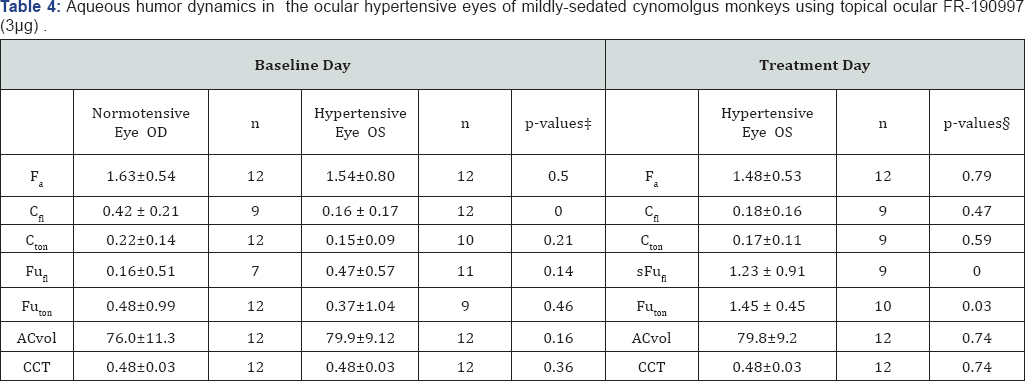
The potential additivity of new pharmacological agents to PGAs in the treatment of OHT and POAG has spurred the recent surge in research for novel agents exhibiting IOP-lowering properties. The realization that POAG is not only caused by elevated IOP since patients with normal IOPs still lose vision [7880], but perhaps is a reflection of enhanced RGC susceptibility to oxidative stress [7-9,12,32-36,42] and apoptotic process [15,47,81-90], has stimulated a renewed interest in finding drugs that have dual or multiplicity of mechanisms of action, including direct potential neuroprotective activity. The latter aspect stems from the finding that agents like betaxolol [91-95] and brimonidine [90,96-99], whilst lowering IOP, also upregulate the release of endogenous neurotrophins [89] in retinal tissues that could heal/rescue some of the RGCs that are compromised from the elevated IOP and oxidative stress. Likewise certain PGAs stimulate blood flow at the ONH in addition to reducing IOP [5,6,100]. Additionally, as the tools to monitor IOP [98,99] have become more accessible at a lower cost and with a greater sensitivity, including round-the-clock monitoring of IOP [99,100], and as new models of OHT/POAG are introduced using various species [48,23-25,101-104], the potential for such innovations to enhance drug discovery have dramatically increased in recent years. The ability to perform AQH dynamic measurements in small laboratory animals like mice [105], and to exploit enucleated and ex-vivo perfused bovine [103,106], porcine [103] and human eye anterior segments, and even whole eye [107], has further accelerated the mechanistic approach to ocular drug discovery and characterization. Accordingly, pharmacological agents that have exhibited ocular hypotensive efficacy in some of these animal/ ex-vivo models include K+- channel openers [108], Na+-K+ -ATPase inhibitor digoxin analogs [109], angiotensin-II receptor antagonists [110,111], renin inhibitors [112], angiotensin converting enzyme (ACE) inhibitors [113-116], ACE-2 activators [117,118], cannabinoids [119], rho- kinase inhibitors [120-122], nitric oxide (NO) donors and their conjugates [123-127], serotonin (5-hydroxy-tryptamine (5-HT)) receptor agonists [103,128,129], hydrogen sulfide donors [130], dopamine receptor agonists [3], melatonin receptor agonists [13], adenosine receptor agonists and antagonists [131], guanylate cyclase activators [123,132], novel EP2 receptor agonists [133,134], dual pharmacophoric PGs encompassing FP and EP3- receptor agonistic properties [135,136], etc. The most recent unexpected discoveries of potential drug candidates for OHT/ POAG treatment pertain to the kallikrein-kinin (KNK) system which will be addressed in detail below (Table 4).
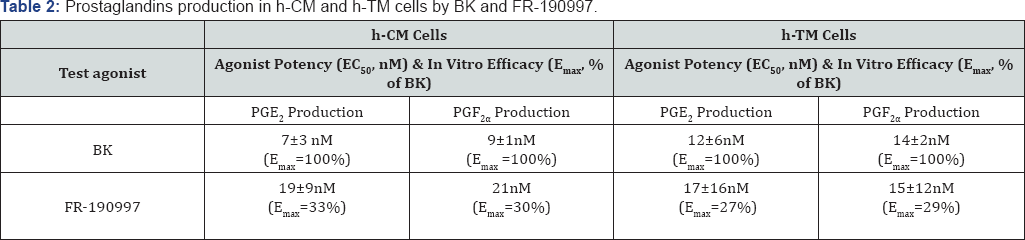
* Values are means±standard deviation. t, comparing hypertensive with contralateral normotensive eyes; �p-values: comparing baseline day with treatment day by Student's two-tailed paired t-test. ACvol, anterior chamber volume, |jl; CCT, central cornea thickness, mm; Cf| fluorophotometric out flow facility, iJl/min/mmHg; Cton, tonographic outflow facility, |j1/min/mmHg; Fa, aqueous flow, |jl/min; FuFI, uveoscleral outflow calculated with Cfl, jl/min; Futon, uveoscleral outflow calculated with Cton jl/min; Times are 30 minutes. FR-190997 (0.01%) was applied as a 30jl drop (total dose of 3jg) to each eye of each monkey Modified from Ref 155.

Kallikrein-Kinin (KNK) System in the Eye

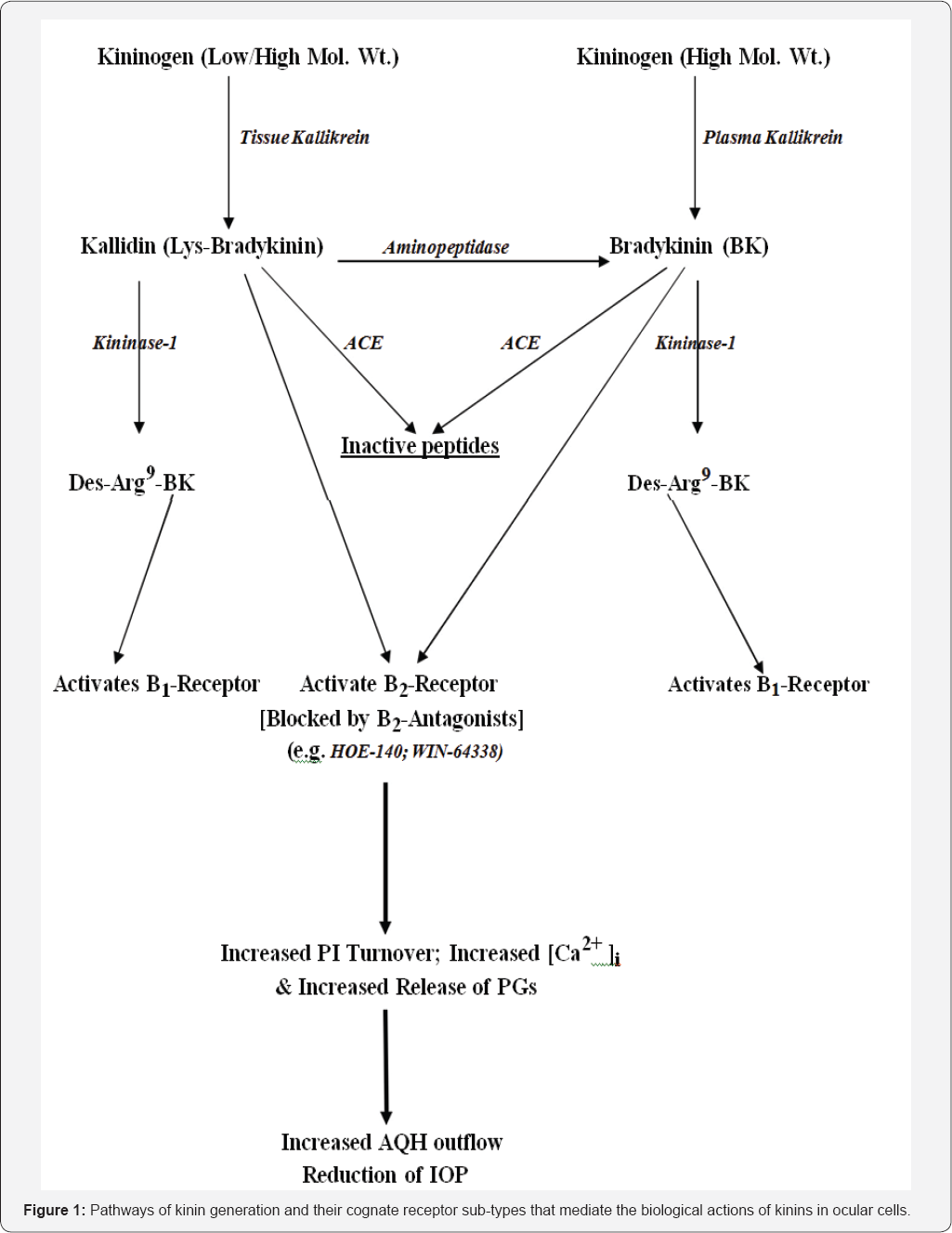
The peptide bradykinin (BK) was discovered many decades ago and the pathway to its generation has since been fully delineated. Today, we know that a precursor polypeptide, kinninogen (KNGN), is cleaved by specific enzymes (kallikreins) to produce a 10-amino acid -and a nine-amino acid containing peptide, Lys-BK and BK respectively [137,138]. Lys-BK is then converted to BK by an aminopeptidase, but both Lys-BK and BK act on the B2-receptor subtype of BK receptors, which is the predominant homeostatic receptor found Under normal physiological situations [137,138]. Kininase-1can convert both Lys-BK and BK to an octapeptide (Des-Arg9-BK) that interacts specifically with B1-receptor subtype of BK receptors which get upregulated during injury, trauma and other deleterious situations [137,138]. ACE inactivates both Lys-BK and BK to small inert peptides (Figures 1, 2). The notoriety surrounding BK and Lys-BK (kallidin) originates from their ability to cause deleterious vasodilation, inflammation, pain and cell proliferation [137,138]. These undesirable effects of kinins have been noted in all parts of the body and either trigger or are manifestations of various underlying diseases ranging from angioedema, diabetes, pulmonary and systemic hypertension, and aneurysms and diabetic retinopathy in the central nervous system and retina [137-139]. It was quite a revelation when various components of the KNK system were found in various compartments of the eye under normal circumstances and associated with cells and tissues of the eye [140,141]. Soon it became clear that BK and perhaps Lys-BK could be formed locally by the actions of tissue-based kallikriens on tissue-derived KNGN thereby creating a paracrine kininergic system within ocular tissues [140,141]. To support this notion further, both B1 and B2-receptor subtypes were found in various ocular cells that were functionally active mediating the actions of BK and related analogs of BK, generating intracellular second messengers [142145] Figure 3 producing further downstream effects such as promoting liberation of PGs [146,147] and causing ocular tissue contraction/ relaxation [148-150], etc. While circulating KNGN and kallikriens in ocular blood vessels do produce BK and Lys- BK to cause the vasodilator and pro-inflammatory effects as in the rest of the body, that system is distinctly different from the tissue-based KNK system in the ocular systems.
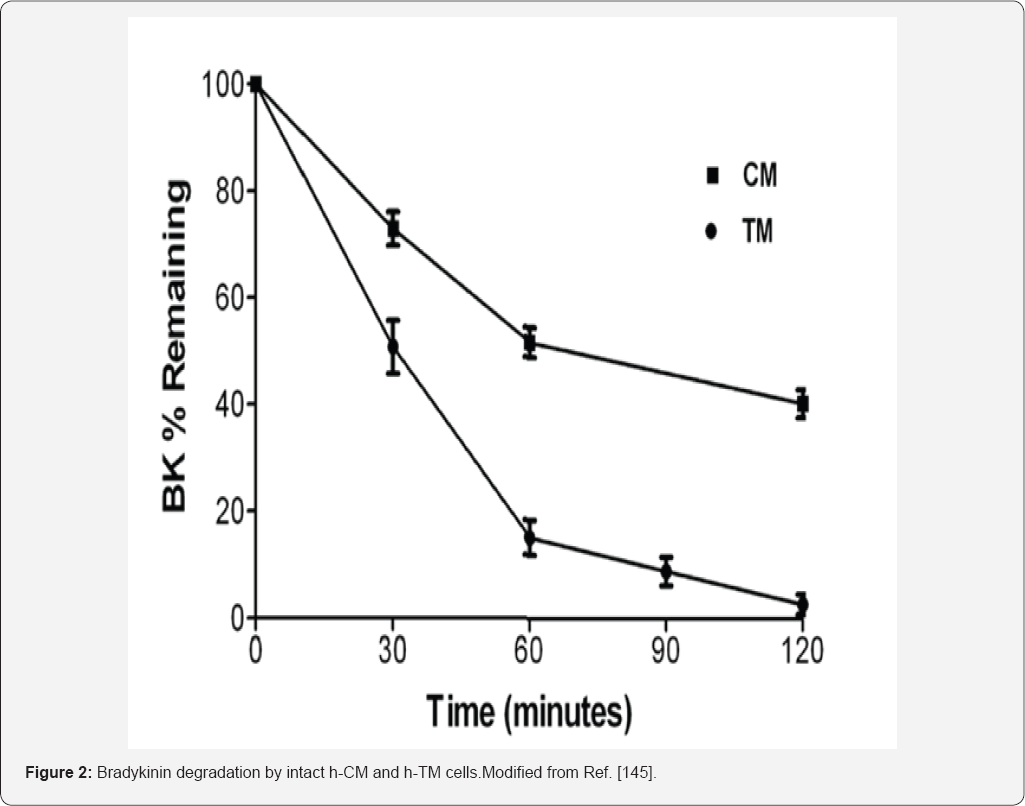
In order to ascribe a role of BK in ocular functions, early researchers administered BK either systemically or topical ocularly (t.o.) or via injections into the anterior chamber of the eye of different species [151-154]. BK either increased or decreased IOP accompanied by local inflammation and/or miosis [148-155].Using ex-vivo isolated bovine [106] and porcine [103,156] eye anterior segments, perfused BK was shown to induce disparate results, either causing decreased outflow or increasing outflow of AQH, thereby adding to the overall confusion. The known metabolic instability of BK in the presence of fluids or exposed tissues/cells [145,157], and possible species differences potentially contributed to these contradictory observations. The need for metabolically stabilized BK analogs or non-peptide BK mimetics was soon realized (see below). The rather paucity of information regarding the ocular BK receptor family in human ocular cells and tissues was slowly overcome by research in the early 80s-90s, including the work oflgic [140], Ma et al. [141], Sharif et al. [142], Wiernas et al. [143,144], and by Webb et al. [106,145,157].
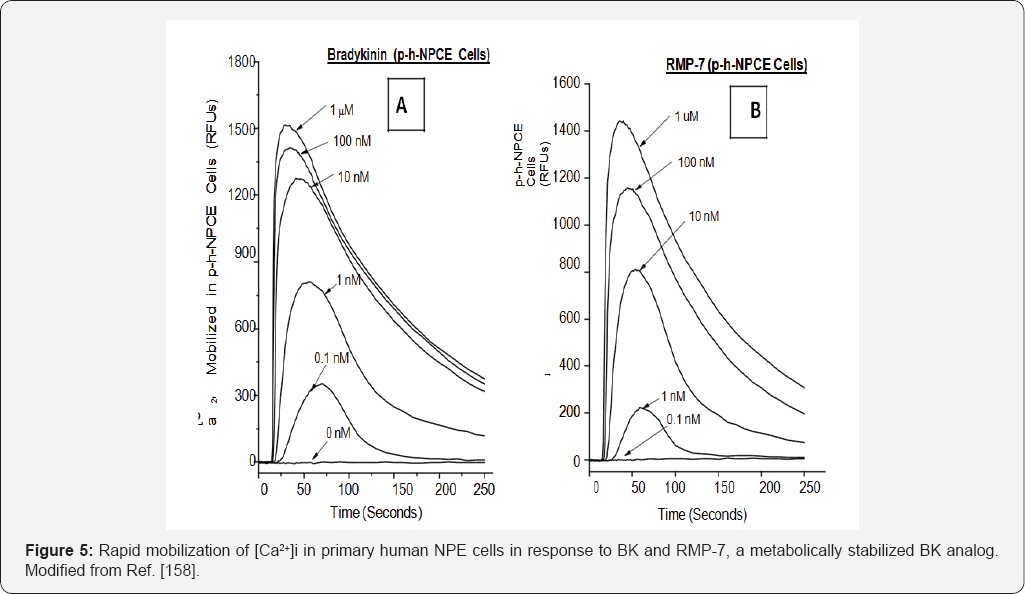
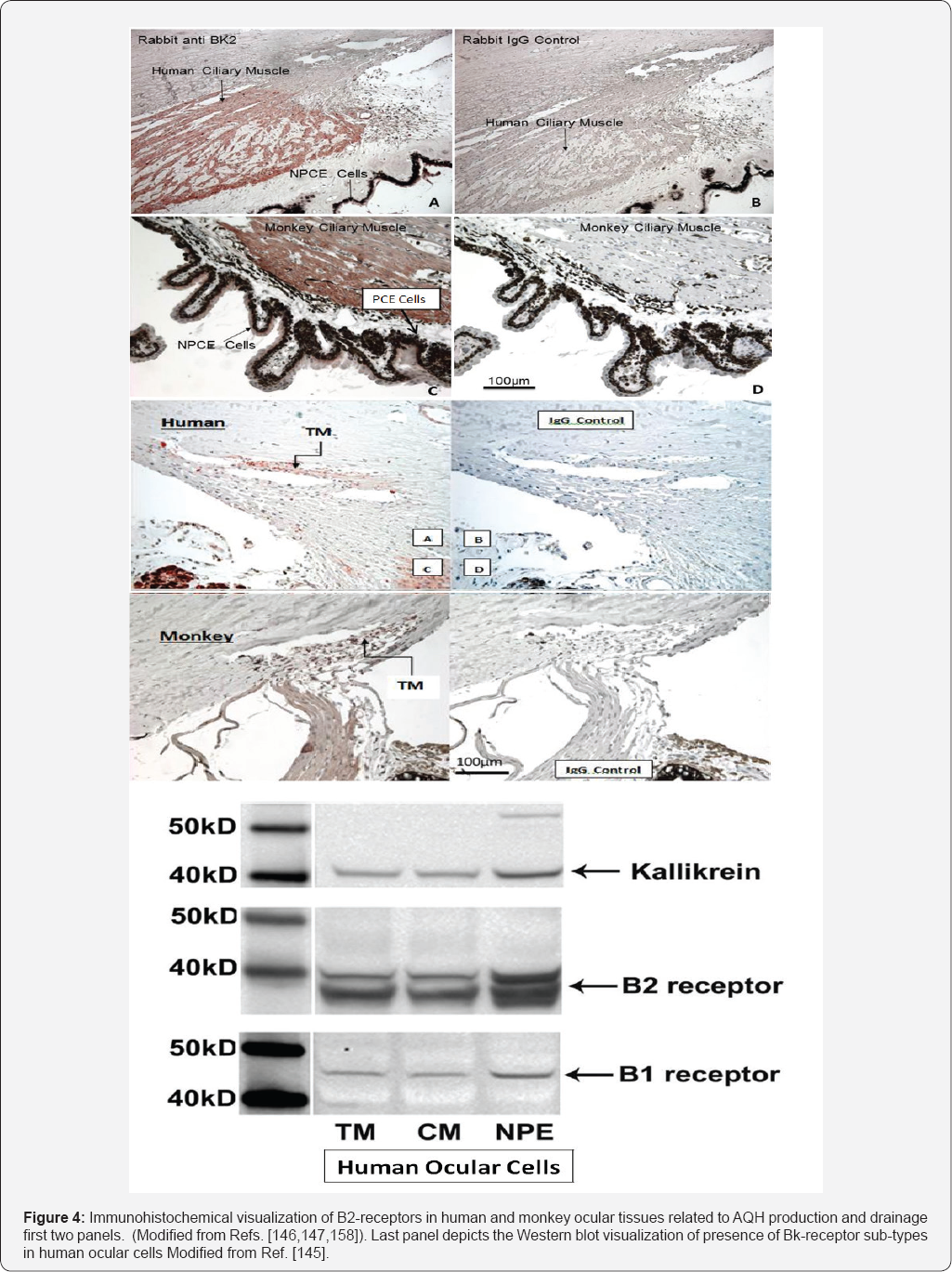
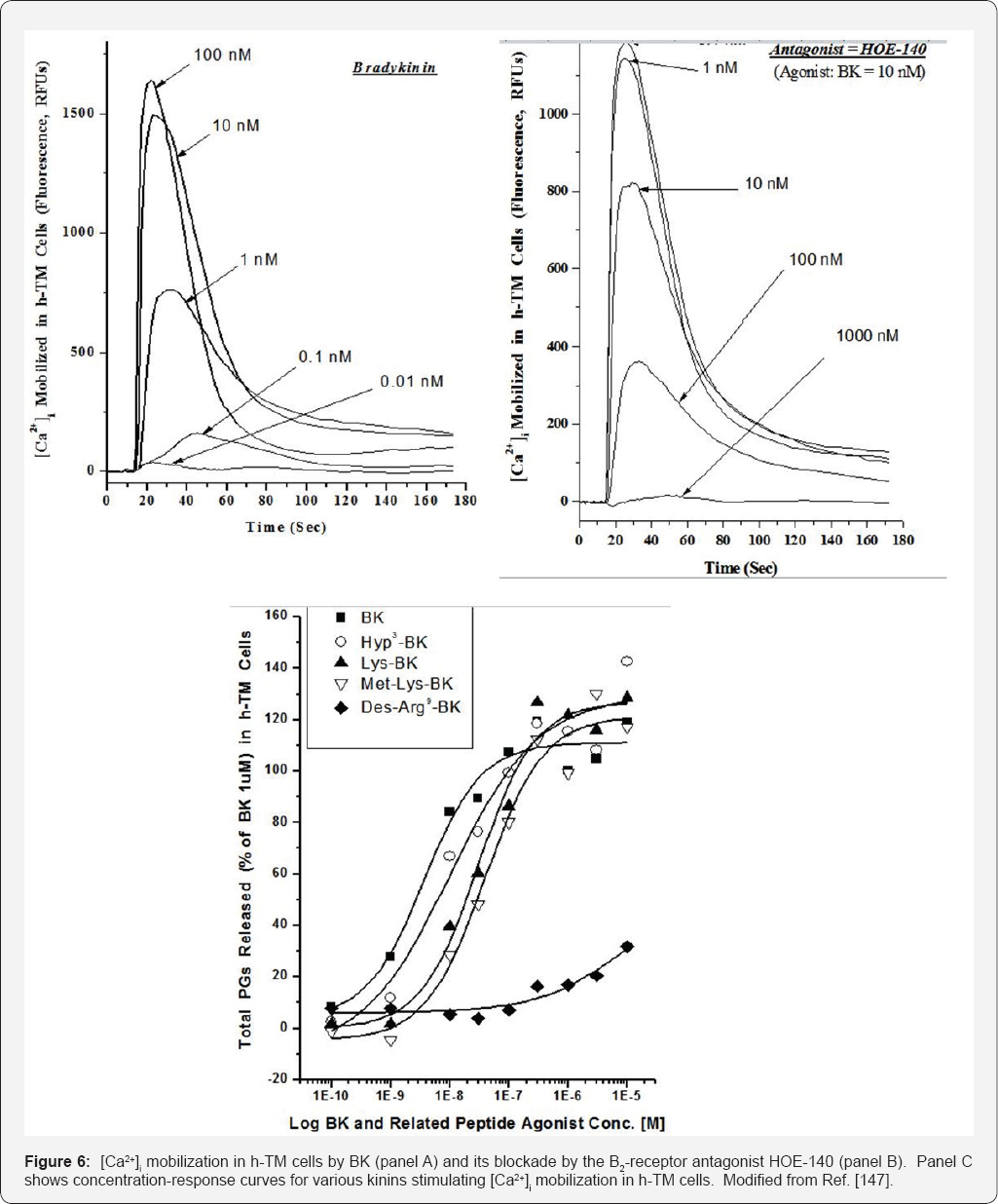
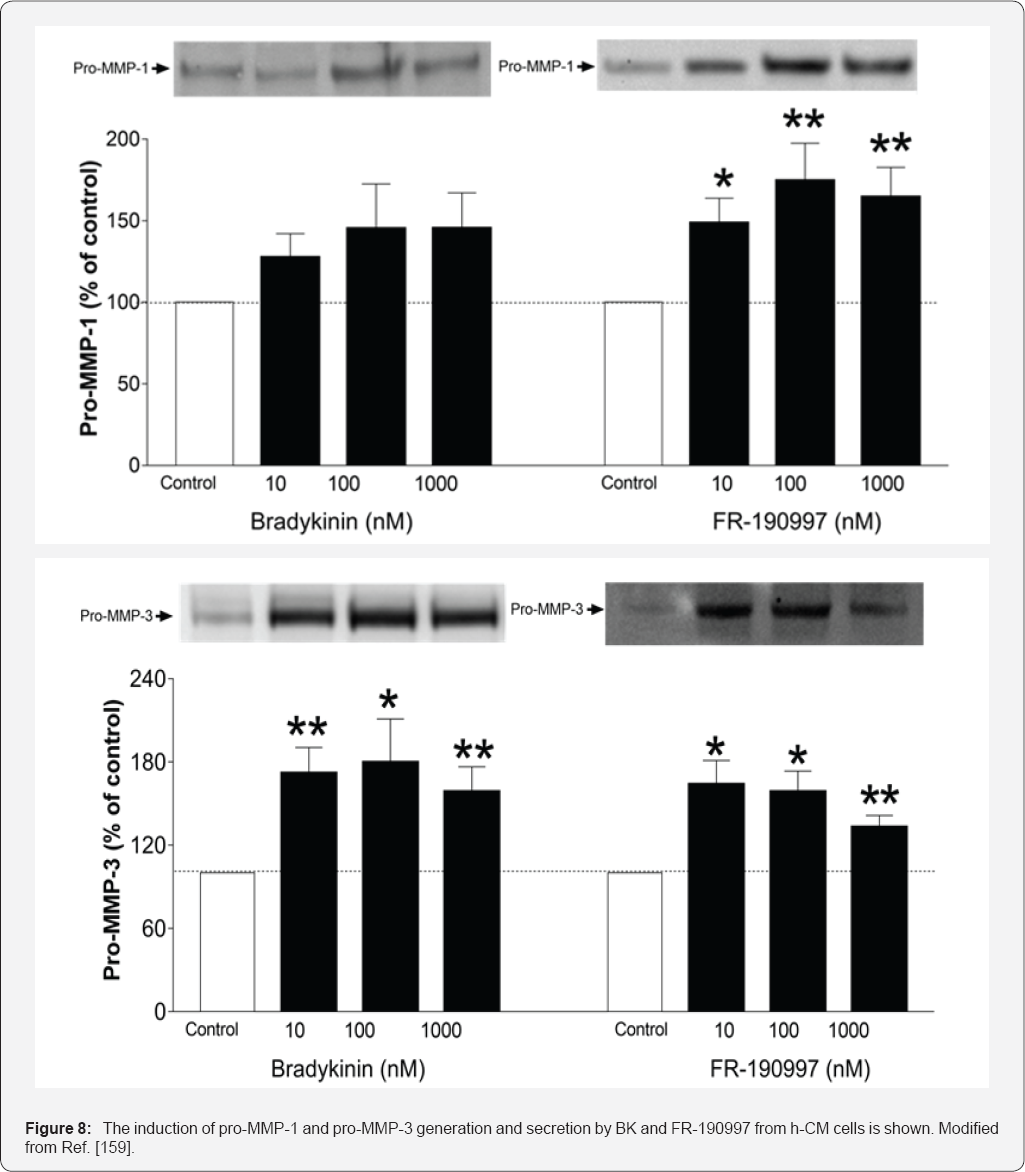
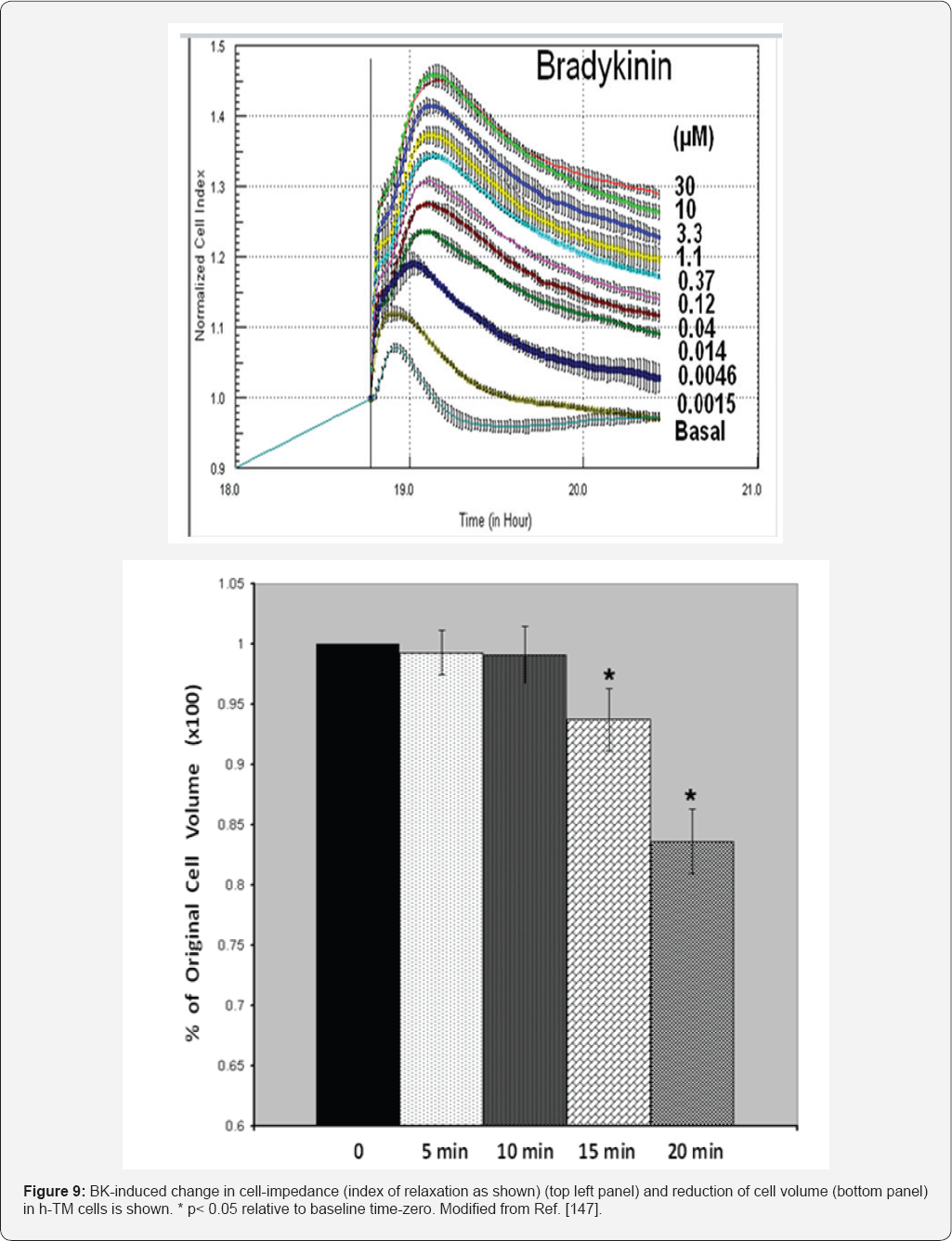
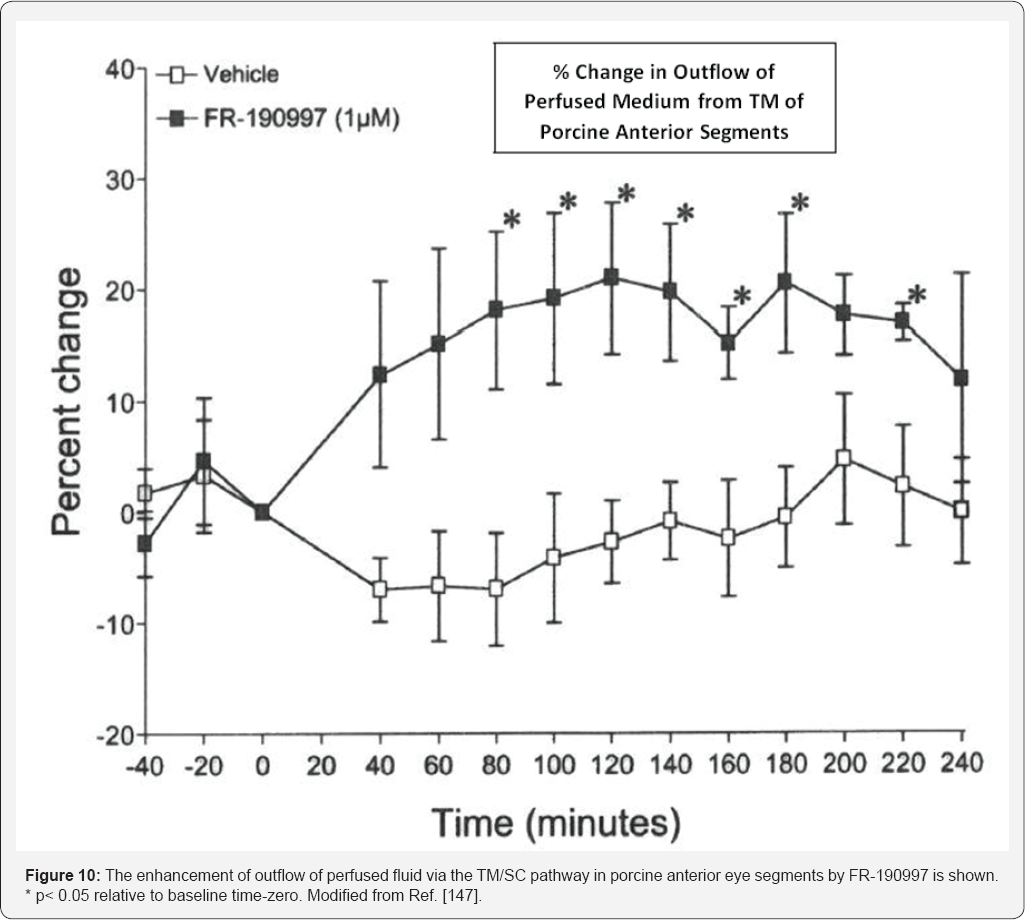
The work of Ma et al. [141] using reverse transcription- polymerase chain reaction (RT-PCR) and Southern blot analyses, and in situ hybridization to localize components of the KNK system in human ocular tissues was affirmed using immunohistochemistry (IHC) [145-147]. For the current subject matter of this review article, it was important to demonstrate the specific distribution and localization of the B2-BK receptor proteins. Accordingly, the presence of B2-BK receptors in human TM [147], ciliary muscle (CM) [146] and non-pigmented ciliary epithelial (NPE) [158] cells was demonstrated by IHC techniques. These are all key tissues involved in the drainage (CM and TM) Figure 4 and production (NPE) of AQH respectively. Importantly, these IHC observations were extended to the cynomolgus monkey anterior chamber tissues [146-148] in order to help correlate functional in vivo data (IOPlowerig; AQH dynamics) with these in vitro observations (see ahead). Next, it was important to determine whether the IHC of B2-receptors bore any linkage to functionality of these proteins in the respective human ocular cells mentioned above. To this end, primary h-NPE, h-CM and h-TM cells were isolated and challenged them with BK, its many peptide analogs and two non-peptide BK-mimetics, FR-190997 and BK2A78. Many of these kininergic compounds stimulated the production of intracellular inositol phosphates [142,156], and all peptide and non-peptide agents liberated endogenous intracellular Ca2+ ((Ca2+)i) from the endoplasmic reticulum in normal h-NPE, h-CM and h-TM cells [146,147,158] Figures 5,7 (and in bovine TM cells [155]) to varying degrees and with different relative potencies, a feature also observed in cells transfected with a cloned human B2-receptor. Additionally, these BK agonists also activated extracellular-regulated kinases-1/2 in h-TM [145] and h-CM [159] cells, and promoted the synthesis and secretion of PGE2 and PGF2a in the latter cells Figure 7. Since Des-Arg9-BK (a selective B1-agonist) was always a very weak agonist in all these biochemical assays, and since two B2-receptor antagonists (H0E-140 and WIN-64338) potently blocked the responses induced by BK, RMP-7 (a stabilized peptide analog of BK), FR-1909997 and BK2A78 [146,147,156,158,160,161], the functionality and pharmacological identification of B2-receptors in these cells were completely confirmed. Additional studies in h-CM and h-TM cells indicated that BK and FR-190997 could also activate intracellular signal transduction pathways to cause the release of various matrix metalloproteinases [106,159] Figure 8 that are known to digest extracellular matrix components such as collagen and thus aid in the efflux of AQH from the anterior chamber to lower IOP, a mechanism previously associated with ocular hypotensive FP-class PGAs [1-3,8,9,53]. Interestingly, BK enhanced the production of cAMP induced by PGE2 in h-TM cells [162], indicating that additional control of TM function by kinins was possible through activation of adenylyl cyclase. The next exciting phase of investigations tried to link these diverse biological actions of kinins in isolated cells of an almost intact organ, in this case enucleated porcine and bovine anterior segments of the eye. While one study initially showed a somewhat decrease in perfused fluid outflow in response to BK in the bovine eye [155], other studies by Webb et al. [106] showed that BK actually robustly stimulated outflow in bovine eyes as did the BK mimetic FR-190997 in other independent experiments using porcine eyes [156]. Mechanistically Webb et al. [106] also showed that this increased outflow by BK was mediated by B2-receptor-induced secretion of MMP-9 since a B2-antagonist and an MMP inhibitor abolished the effects of BK [106].
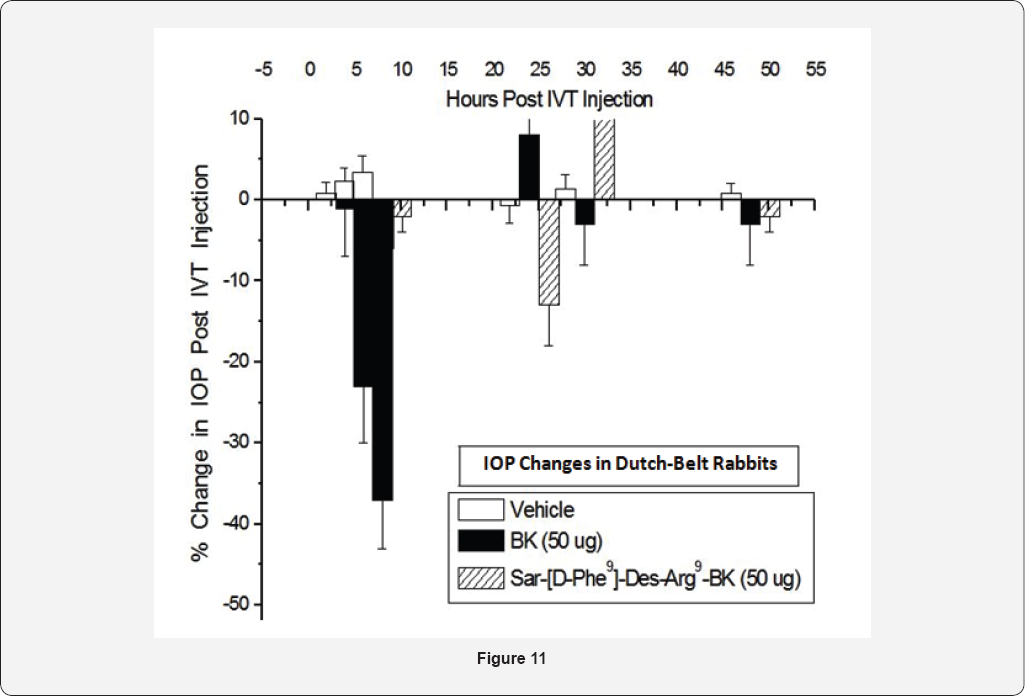
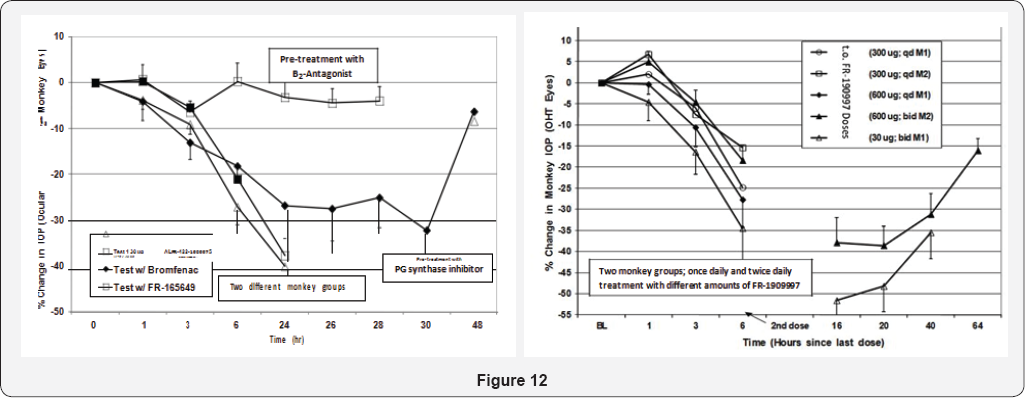
The role of BK in modulating I0P was investigated in a number of species.Topical ocular (t.o.) instillation of BK (50- 100|ig in a 30|il drop) to Dutch-belted rabbits, mixed breed cats, mice, rats, guinea pigs and cynomolgus monkeys (ocularly normotensive or hypertensive) failed to consistently influence IOP to any significant extent. However, intravitreal injection (ivt) of BK (50|ig) in eyes of Dutch-Belted rabbits induced a robustdecrease in I0P up to 8 hrs post-injection [146]. Interestingly, both B1-receptor-agonists, Des-Arg9-BK and Sar(D-Phe9)-Des-Arg9-BK injected ivt, did not alter I0P at all [146,147]. These data further substantiated the fact that only B2- receptors are involved in lowering and controlling I0P without any contribution from B1-receptors, at least in the rabbit. Since ethically and economically, we could not repeat it injection studies using BK in higher animals, and since topical ocular BK was without effect, a different approach was necessitated. Also, even though a metabolically stabilized peptide mimetic of BK (RMP-7) is available, it is still too polar a molecule to be used t.o. For such I0P modulation studies. However, a non-peptidic hydrophobic BK-mimetic, FR-190997 formulated in a standard vehicle was bioavailable when administered topically, and it potently and efficaciously reduced IOP in the conscious ocular hypertensive monkey eyes [156,160]. As little as 1|ig total t.o. Dose induced a 25% IOP reduction for up to 24-hrs after dosing, and dose-dependent reductions out to 48hrs post-t.o. Dosing were possible with a 10|ig dose [156,160]. The ocular hypotensive effects of FR-190997 and BK2A78 were in the realm of what the t.o. PG FDA-approved drugs like TRAVATAN® and Xalatan® produce in the monkey-model and in humans, but only to 24hrs post-dose. The fact that a non-peptide B2- receptor antagonist (FR-165649) completely prevented the I0P- lowering actions of FR-190997 in the 0HT monkey eyes strongly suggested that the B2-receptor was mediating the I0P-lowering actions of FR-190997 [156]. Furthermore, since FR-190997's ocular hypotensive effects were significantly attenuated by prior treatment with a PG-synthesis inhibitor (bromfenac) PGs were involved in mediating at least some of the I0P-lowering activities of this BK-mimetic, this being akin to the in vitro observations with FR-190997 [156,160] and BK [145-147,162]. In ascribing possible mechanisms activated by FR-190997 in its ability to reduce I0P in mildly-sedated 0HT monkeys, it was discovered that a predominant enhancement of uveoscleral outflow of AQH was triggered by FR-190997 [106,156]. However, it would appear that in the porcine isolated anterior chamber model, this compound (and BK in bovine) promoted fluid egress via the TM/SC conventional outflow pathway [106,156]. It remains to be seen whether such observations of robust ocular hypotensive activity of FR-190997 and BK2A78, along with other non-peptide BK-mimetics, can be reproduced in OHT human patients. Since FR-190997 [160] and BK2A78 [161] caused minimal ocular discomfort in conscious Dutch-belt rabbits, mixed breed cats, rats and monkeys after t.o. dosing, and produced no observable systemic or local side-effects, such compounds represent ideal new drug candidates worthy of pursuit in appropriate human clinical trials for determining ocular hypotensive activity. Two physiological observations noted that may limit the future utility of such BK-mimetics to treat OHT/POAG are the apparent tachyphylactic effects of FR-190997 in terms of IOP-lowering at relatively high doses, and a mild anesthetic activity observed on cat corneal surface [160]. However, whether these elements translate to the human ocular system requires further study. As long as low pharmacologically-relevant t.o. doses of FR-190997 and BK2A78 (and their analogs and derivatives [162-164]) are used t.o. in other animal models and in human subjects, it is possible to avoid triggering the above-mentioned "adverse" effects. Further studies on the ocular roles of BK and its analogs and mimetics are eagerly awaited.


Conclusion

Clearly there are now several drugs approved for the treatment of OHT/POAG and a number of new AQH drainage devices either approved or on the horizon for the same purpose of lowering IOP It is the issues of compliance, and the number and relative seriousness of the side-effects, or ineffectiveness and complications of the procedures, that continue to warrant hunt for newer more efficacious and more tolerable medications. The latter quest has resulted in the recent discovery of some new ocular hypotensive agents, including the first generation Kenyan non-peptide mimetics such as FR-190997, BK2A78 and their analogs [162-164].
The studies described in this review have clearly shown the presence of various components of the kininergic system in human and monkey ocular cells and tissues using a variety of techniques. Furthermore, functionally active sub-types of BKreceptor (B1- and B2) also are present in the ocular cells involved in AQH dynamics, Hence, BK and its analogs and mimetics are able to generate a variety of second messengers such as inositol phosphates and intracellular Ca2+ in h-NPE, h-CM and h-TM cells. Activation of this signal transduction pathway, then stimulates the production and secretion of PGs from these cells. These PGs are pivotal in promoting the generation and release of MMPs from CM and TM cells that digest extracellular matrix to create new pathways for AQH to drain from the anterior chamber of the eye leading to lowering of the IOP. Such duality of action of MMPs in response to BK receptor activation probably explains the elevated TM/SC outflow and increase of uveoslceral outflow observed after treatment with FR-190997and the profound IOP-lowering that this compound produces [156,160]. These new non-peptidic kinin mimetic drugs [156,162-164] will hopefully inspire other researchers to use these as templates for synthesizing next generation of ocular hypotensive agents, perhaps with some secondary neuroprotective activity on top of the ocular hypotensive properties. We all await the results of such new discoveries.


Conflict of Interest Statement

Author is an inventor or co-inventor of some granted patents related to the use of BK agonists (peptide and non-peptide) for treatment of glaucoma and the associated OHT, and these are cited in this article. The author, is an adjunct professor at Texas Southern University (Houston, TX) and at University of North Texas Health Science Center (Fort Worth, TX), and has no other conflicts of interest to declare. The intent of this review article is simply to share and expand the knowledge of the ocular roles of Kinins and thus inspire further research in this arena for the discovery of novel drugs and treatments to help combat blinding diseases of the eye, especially OHT/POAG.


For more Open Access Journals in Juniper Publishers please click on: https://juniperpublishers.com

Monday, 16 December 2019

Juniper Publishers Indexing Sites List


Juniper Publishers Indexing Sites List

Index Copernicus :


All journals may be registered in the ICI World of Journals database. The database gathers information on international scientific journals which is divided into sections: general information, contents of individual issues, detailed bibliography (references) for every publication, as well as full texts of publications in the form of attached files (optional). Within the ICI World of Journals database, each editorial office may access, free of charge, the IT system which allows you to manage your journal's passport: updating journal’s information, presenting main fields of activity and sharing the publications with almost 200 thousand users from all over the world. The idea behind the ICI World of Journals database is to create a place where scientific journals from all over the world would undergo verification for ‘predatory journals’ practices by scientific community. The ICI World of Journals database allows journals which care about completeness and topicality of their passports to build their citation rates and international cooperation.
https://journals.indexcopernicus.com/search/details?id=48074

Scilit :

The name Scilit uses components of the words “scientific” and “literature”. This database of scholarly works is developed and maintained by the open access publisher MDPI.
Scilit is a comprehensive, free database for scientists using a new method to collate data and indexing scientific material. Our crawlers extract the latest data from CrossRef and PubMed on a daily basis. This means that newly published articles are added to Scilit immediately.

Publons :

Publons is a commercial website that provides a free service for academics to track, verify, and showcase their peer review and editorial contributions for academic journals. It was launched in 2012 and by 2018 more than 500,000 researchers have joined the site, adding more than one million reviews across 25,000 journals. Publons' mission is to "speed up science by harnessing the power of peer review". Publons claims that by turning peer review into a measurable research output, academics can use their review and editorial record as evidence of their standing and influence in their field. Publons says its business model is based on partnering with publishers.
Publons produces a verified record of a person's review and editorial activity for journals. This evidence is showcased on reviewers' online profiles and can be downloaded to include in CVs, funding and job applications, and promotion and performance evaluations.
Publons also provides:
• tools for publishers to find, screen, contact, and motivate peer reviewers;
• data and publications about global peer review behaviour;
• peer review training for early-career researchers; and
• features for academics to discuss and evaluate published research.


Sindexs:

Scientific Indexing Services (SIS) was founded by renowned scientists. A group of 70 scientist from various countries in different disciplines are started SIS with specific objective of providing quality information to the researcher. SIS offering academic database services to researcher. It's mainly: citation indexing, analysis, and maintains citation databases covering thousands of academic journals, books, proceedings and any approved documents SIS maintains academic database services to researchers, journal editors and publishers. SIS focuses on: citation indexing, citation analysis, and maintains citation databases covering thousands of academic journals. SIS Provides Quantitative And Qualitative Tool For Ranking, Evaluating And Categorizing The Journals For Academic Evaluation And Excellence. This Factor Is Used For Evaluating The Prestige Of Journals. The Evaluation Is Carried Out By Considering The Factors Like Paper Originality, Citation, Editorial Quality, and Regularity & International Presence. We Perform The In-Depth Analysis Method. The Acceptance And Rejection Rates Of Journals Can Be A Determining Factor. Low Acceptance Rate, High Rejection Rate Journals Are Considered The Best And Most Prestigious Journals As The Acceptance Criteria Is Of High Quality Standard. Many Journals And Societies Have Web Pages That Give Publication Data And Style Requirements And Often Includes Acceptance/Rejection Rates. The Paper Copy Of The Journal Occasionally Includes This Data And Will Always Provide Current Contact Information. Whether A Journal Is Indexed In The Major Indexing/Abstracting Service In The Field Is Another Criteria That Can Be Used To Assess The Worth And Quality Of A Journal.

Researchbib :


ResearchBib is open access with high standard indexing database for researchers and publishers. Research Bible may freely index journals, research papers, call for papers, research position.
We share a passion to build research communities to discover and promote great research resources from around the world and maximize researchers’ academic social impacts.

Google Scholar :

Google Scholar is a freely accessible web search engine that indexes the full text or metadata of scholarly literature across an array of publishing formats and disciplines. Released in beta in November 2004, the Google Scholar index includes most peer-reviewed online academic journals and books, conference papers, theses and dissertations, preprints, abstracts, technical reports, and other scholarly literature, including court opinions and patents. While Google does not publish the size of Google Scholar's database, scientometric researchers estimated it to contain roughly 389 million documents including articles, citations and patents making it the world's largest academic search engine in January 2018. Previously, the size was estimated at 160 million documents as of May 2014.] An earlier statistical estimate published in PLOS ONE using a Mark and recapture method estimated approximately 80–90% coverage of all articles published in English with an estimate of 100 million. This estimate also determined how many documents were freely available on the web.

  
Worldcat :

WorldCat is the world's largest network of library content and services. WorldCat libraries are dedicated to providing access to their resources on the Web, where most people start their search for information.
You can search for popular books, music CDs and videos—all of the physical items you're used to getting from libraries. You can also discover many new kinds of digital content, such as downloadable audiobooks. You may also find article citations with links to their full text; authoritative research materials, such as documents and photos of local or historic significance; and digital versions of rare items that aren't available to the public. Because WorldCat libraries serve diverse communities in dozens of countries, resources are available in many languages.

Crossref:

Crossref (formerly styled CrossRef) is an official Digital Object Identifier (DOI) Registration Agency of the International DOI Foundation. It is run by the Publishers International Linking Association Inc. (PILA)[2] and was launched in early 2000 as a cooperative effort among publishers to enable persistent cross-publisher citation linking in online academic journals
Crossref is a not-for-profit association of about 2000 voting member publishers who represent 4300 societies and open access publishers, including both commercial and not-for-profit organizations. Crossref includes publishers with varied business models, including those with both open access and subscription policies. Crossref does not provide a database of fulltext scientific content. Rather, it facilitates the links between distributed content hosted at other sites.
Crossref interlinks millions of items from a variety of content types, including journals, books, conference proceedings, working papers, technical reports, and data sets. Linked content includes materials from Scientific, Technical and Medical (STM) and Social Sciences and Humanities (SSH) disciplines. The expense is paid for by Crossref Member publishers. Crossref provides the technical and business infrastructure to provide for this reference linking using Digital Object Identifiers (DOIs). Crossref provides deposit and query service for its DOIs.
In addition to the DOI technology linking scholarly references, Crossref enables a common linking contract among its participants. Members agree to assign DOIs to their current journal content and they also agree to link from the references of their content to other publishers' content. This reciprocity is an important component of what makes the system work.
Non-publisher organizations can participate in Crossref by becoming affiliates. Such organizations include libraries, online journal hosts, linking service providers, secondary database providers, search engines and providers of article discovery tools.


ICMJE:

The ICMJE recommendations (full title, Recommendations for the Conduct, Reporting, Editing, and Publication of Scholarly Work in Medical Journals) are a set of guidelines produced by the International Committee of Medical Journal Editors for standardising the ethics, preparation and formatting of manuscripts submitted for publication by biomedical journals. Compliance with the ICMJE Recommendations is required by most leading biomedical journals. As of 2017, over ~3274 journals worldwide followed the Uniform Requirements

 scribd:

Scribd began as a site to host and share documents While at Harvard, Trip Adler was inspired to start Scribd after learning about the lengthy process required to publish academic papers.] His father, a doctor at Stanford, was told it would take 18 months to have his medical research published Adler wanted to create a simple way to publish and share written content online. He co-founded Scribd with Jared Friedman and attended the inaugural class of Y Combinator in the summer of 2006. There, Scribd received its initial $120,000 in seed funding and then launched in a San Francisco apartment in March 2007.
Scribd was called "the YouTube for documents", allowing anyone to self-publish on the site using its document reader. The document reader turns PDFs, Word documents, and PowerPoints into Web documents that can be shared on any website that allows embeds. In its first year, Scribd grew rapidly to 23.5 million visitors as of November 2008. It also ranked as one of the top 20 social media sites according to Comscore.
In June 2009, Scribd launched the Scribd Store, enabling writers to easily upload and sell digital copies of their work online.] That same month, the site partnered with Simon & Schuster to sell e-books on Scribd. The deal made digital editions of 5,000 titles available for purchase on Scribd, including books from bestselling authors like Stephen King, Dan Brown, and Mary Higgins Clark.
In October 2009, Scribd launched its branded reader for media companies including The New York Times, Los Angeles Times, Chicago Tribune, The Huffington Post, TechCrunch, and MediaBistro. ProQuest began publishing dissertations and theses on Scribd in December 2009.] In August 2010, many notable documents hosted on Scribd began to go viral, including the California Proposition 8 ruling, which received over 100,000 views in about 24 minutes, and HP's lawsuit against Mark Hurd's move to Oracle.

Citefactor:

Citefactor is a service that provides access to quality controlled Open Access Journals. The Directory indexing of journal aims to be comprehensive and cover all open access scientific and scholarly journals that use an appropriate quality control system, and it will not be limited to particular languages or subject areas. The aim of the Directory is to increase the visibility and ease of use of open access scientific and scholarly journals thereby promoting their increased usage and impact.

PlagScan :

PlagScan is a plagiarism detection software, mostly used by academic institutions. PlagScan compares submissions with web documents, journals and internal archives. The software was launched in 2009 by Markus Goldbach and Johannes Knabe.
PlagScan is offered as a Software as a Service and as an on-premise solution. Users can either register as a single user or as an organization. Upon first-time registration, single users receive a free test credit and can purchase additional credits for future submissions, after the completion of a satisfactory trial.
Organizational users verify the organization’s address prior to using the software. An obligation-free quote can be requested immediately on the website. Organizations can choose from a variety of options and create multiple administrators and groups, for example, to divide different departments within one institution.
After scanning a submission for plagiarism, PlagScan provides users with a detailed report that indicates potential plagiarism and lists the matched sources.

Genomics:

Genamics is a software and web development firm dedicated to ensuring scientists have access to all the computer tools and computer resources available today. As science becomes increasingly reliant on the plethora of new ways computers improve our productivity, it is essential that scientists can readily apply this technology to their work. Our tight communication with scientists and computer technologists enables us to provide both down-to-earth and cutting-edge ways of achieving this goal.
Foundations
The products and services we create at Genamics are built on three core foundations: 1. Ease of use; 2. High Technology; 3. Future foresight.
1. Ease-of-Use
At Genamics we have strived to make every effort to design our products and services to be as easy as possible to use, yet not compromise their power and flexibility. We have taken great care and thought in creating user interfaces that are highly intuitive and easy to understand. Perhaps most importantly of all, we listen to our users and respond to their suggestions and requirements. It is only by this constant refinement, that we can create products that are genuinely friendly and fulfilling to our users.
2. High Technology
Computers and biotechnology are perhaps the fastest moving industries of our times. The utilization of the latest technology is a key factor in progressing and maintaining our products and services to the forefront in their field. By adopting cutting-edge programming tools, we have been able to drastically reduce development time and have the additional capacity to rapidly steer our applications in new directions. Our broad knowledge in computers and science, allows to select the best technologies to meet our goals and ultimately provide the best experience for our users.
Applications built at Genamics are developed using a highly object-oriented approach. This has allowed us to build up a large library of general components and controls, which can readily be re-used for new and upcoming projects. Our Visual J++ Developer Center provides the medium by which we can maintain contacts and support with Visual J++ programmers on an international scale. Being largely open-source, the Genamics Library mutually benefits programmers and us, by allowing it to be extended in ways that would not be possible within a single company. Custom coursework - reliable research papers writing help from a team of professional writers.
3. Future Foresight
With the fast moving industries that we are involved in, predicting and understanding their future directions is especially important to us. Consequently, the solutions we create don't just solve the problems of our customers today, but are also ready to handle the problems of tomorrow. The products and services we build are designed within a highly open framework, with many of these future considerations in mind. Similarly, the tools and technologies we adopt to create our solutions are chosen not just for how much can be achieved currently with them, but also for their own future potential and capacity to meet future challenges.
At Genamics we are continually prospecting for new innovations and technologies. Already, we have a number of exciting new projects underway, which we hope to bring to you in the near future.

Semantic Scholar :

Semantic Scholar is a project developed at the Allen Institute for Artificial Intelligence. Publicly released in November 2015, it is designed to be an AI-backed search engine for scientific journal articles. The project uses a combination of machine learning, natural language processing, and machine vision to add a layer of semantic analysis to the traditional methods of citation analysis, and to extract relevant figures, entities, and venues from papers. In comparison to Google Scholar and PubMed, Semantic Scholar is designed to highlight the most important and influential papers, and to identify the connections between them.
As of January 2018, following a 2017 project that added biomedical papers and topic summaries, the Semantic Scholar corpus included more than 40 million papers from computer science and biomedicine. In March 2018, Doug Raymond, who developed machine learning initiatives for the Amazon Alexa platform, was hired to lead the Semantic Scholar project. As of August 2019, the number of included papers had grown to more than 173 million after the addition of the Microsoft Academic Graph records

DRJI :

DRJI provides ready access to education literature to support the use of educational research and information to improve practice in learning, teaching, educational decision-making, and research. Directory of Research Journals Indexing is a free online service that helps you to find web resources for your articles and research. With millions of resources available on the Internet, it can be difficult to find useful material. We have reviewed and evaluated thousands of resources to help you choose key websites in your subject. Our indexed journals will be submitted to all social networks and world's top most indexing and they will be displayed on world's top electronic library. In short, all journals will reach all continents.

ORCID: 

The ORCID Open Researcher and Contributor ID) is a nonproprietary alphanumeric code to uniquely identify scientific and other academic authors and contributors This addresses the problem that a particular author's contributions to the scientific literature or publications in the humanities can be hard to recognize as most personal names are not unique, they can change  have cultural differences in name order, contain inconsistent use of first-name abbreviations and employ different writing systems. It provides a persistent identity for humans, similar to that created for content-related entities on digital networks by digital object identifiers (DOIs).
The ORCID organization, ORCID Inc., offers an open and independent registry intended to be the de facto standard for contributor identification in research and academic publishing. On 16 October 2012, ORCID launched its registry services and started issuing user identifiers.

BASE :

BASE is one of the world's most voluminous search engines especially for academic web resources. BASE provides more than 150 million documents from more than 7,000 sources. You can access the full texts of about 60% of the indexed documents for free (Open Access). BASE is operated by Bielefeld University Library.
We are indexing the metadata of all kinds of academically relevant resources – journals, institutional repositories, digital collections etc. – which provide an OAI interface and use OAI-PMH for providing their contents (see our Golden Rules for Repository Managers).
The index is continuously enhanced by integrating further sources (you can suggest a source which is not indexed yet). We are working on several new features like a claiming service for authors within the ORCID DE project.
BASE is a registered OAI service provider. Database managers can integrate the BASE index into their local infrastructure (e.g. meta search engines, library catalogues). Further on there are several tools and services for users, database and repository managers.

Sciforum:

Sciforum is an event planning platform that supports open science by offering the opportunity to host and participate in academic conferences. It provides an environment for scholarly exchange, discussion of topics of current interest, building of networks and establishing collaborations. Sciforum was launched in 2009 by MDPI, an academic open-access publisher with headquarters in Basel, Switzerland.
Sciforum does not only offer the possibility to participate in conferences, but invites scientists to organize their own conferences. The organizers reduce their administrative efforts thanks to an online tool that supports all aspects of conference organization, including setting up and maintaining the conference website, managing the peer-review process, publishing the conference proceedings, handling and coordinating the conference schedule, registration, billing, sponsors, etc. Organizers can choose between physical and online conferences and whether they require administrative support from Sciforum staff.

ScienceOpen:
ScienceOpen is an interactive discovery environment for scholarly research across all disciplines. It is freely accessible for all and offers hosting and promotional services within the platform for publishers and institutes. The organization is based in Berlin and has a technical office in Boston. It is a member of CrossRef, ORCID the Open Access Scholarly Publishers Association, STM Association and the Directory of Open Access Journals. The company was designated as one of “10 to Watch” by research advisory firm Outsell in its report

Citeseerx:


Sindexs:


Sintex Industries BSE: (Earlier known as The Bharat Vijay Mills Ltd) is the world largest producer of plastic water tank. It is also Asia's largest manufacturer of corduroy fabrics. Sintex has a strong presence in 4 continents, i.e Europe, America, Africa, and Asia. Presence in the countries like France, Germany and USA. It is primarily into Building Material Solutions, Textiles Solutions & Custom moulding Solutions. Its manufacturing includes a wide range of plastic products including prefabricated structures, industrial custom moulding products, monolithic constructions and water storage tanks. In the textile segment, the company focuses on niche segment specialising in men's shirting.

Get More Information About Juniper Publishers Please Click on Below Link:
https://juniperpublishers.com/member-in.php